Tsavo West National Park is one of Kenya’s most diverse and scenic safari destinations. Covering 9,065 square kilometers, it is part of the greater Tsavo ecosystem and is known for its rugged terrain, volcanic landscapes, lush oases, and incredible wildlife.
This park is perfect for adventure seekers, nature lovers, and wildlife enthusiasts, offering a mix of game viewing, birdwatching, and natural wonders like Mzima Springs, Shetani Lava Flows, and Chaimu Crater.
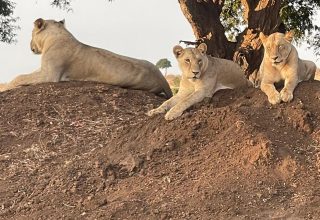
✔️ Diverse Wildlife & The Big Five – Home to lions, leopards, elephants, rhinos, and buffalos.
✔️ Stunning Landscapes – Explore lava flows, rolling hills, and acacia woodlands.
✔️ Mzima Springs – A crystal-clear oasis with hippos, crocodiles & fish.
✔️ Less Crowded & Exclusive – Unlike Masai Mara, you get a more private safari experience.
✔️ Ideal for Safari & Beach Holidays – Easily accessible from Mombasa, Diani Beach, and Nairobi.
Mzima Springs
A natural oasis with crystal-clear water fed by underground springs from Mount Kilimanjaro.
Home to hippos, crocodiles, fish, and a variety of birds.
Features an underwater viewing chamber for close-up wildlife observation.
Shetani Lava Flows
A vast field of black volcanic rock, created by a volcanic eruption 500 years ago.
The word "Shetani" means "devil" in Swahili – locals once believed the area was haunted.
A surreal landscape for hiking and photography.
Chaimu Crater
A volcanic ash cone offering panoramic views of the park.
Perfect for a short hike with breathtaking sunrise and sunset views.
Rhino Sanctuary
A protected area dedicated to black rhino conservation.
One of the best places in Kenya to see these endangered creatures.
Roaring Rocks & Poacher’s Lookout
Elevated viewpoints offering 360-degree views of Tsavo’s vast wilderness.
Excellent for spotting elephants, lions, and birds of prey.
Wildlife Viewing & Game Drives
Tsavo West Kenya is home to over 60 mammal species and 400+ bird species.
Expect to see elephants, buffalos, giraffes, cheetahs, zebras, hippos, and leopards.
Man-Eaters of Tsavo – Famous for their role in history during railway construction.
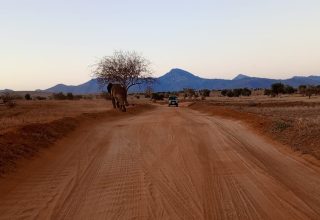
Red Elephants – These elephants coat themselves in Tsavo’s red soil.
Black Rhinos – Best spotted at the Ngulia Rhino Sanctuary.
Leopards & Cheetahs – Often seen hunting along the savannah.
Giraffes, Zebras & Antelopes – Commonly found throughout the park.
Crocodiles & Hippos – Easily seen at Mzima Springs.
Birdwatching Paradise – Home to ostriches, hornbills, kingfishers, and secretary birds.
June – October (Dry Season): Best for game viewing as animals gather around water sources.
November – May (Green Season): Lush landscapes, fewer tourists, and great birdwatching.
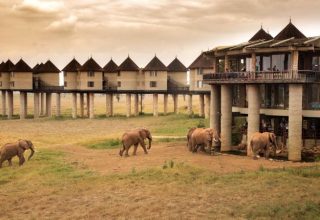
Luxury: Finch Hattons Camp, Severin Safari Camp, Kilaguni Serena Safari Lodge
Mid-Range: Ngulia Safari Lodge, Voyager Ziwani Camp
Budget: Rhino Valley Lodge, Tsavo Safari Camp
🚙 By Road:
From Nairobi: ~5-6 hours drive (via Mombasa Road)
From Mombasa / Diani: ~4 hours drive
✈️ By Air:
Fly to Kilaguni or Finch Hattons Airstrip from Nairobi or Mombasa (45-minute flight).
Tsavo West National Park is one of Kenya’s most scenic and diverse safari destinations, known for its stunning landscapes, rich wildlife, volcanic formations, and famous attractions like Mzima Springs and Ngulia Rhino Sanctuary.
✔️ Big Five Safari – Spot lions, elephants, leopards, rhinos, and buffaloes.
✔️ Mzima Springs – Crystal-clear pools with hippos & crocodiles.
✔️ Ngulia Rhino Sanctuary – One of Kenya’s best places to see black rhinos.
✔️ Shetani Lava Flows – A breathtaking volcanic rock field.
✔️ Birdwatching Paradise – Over 600 bird species including eagles & kingfishers.
✔️ Breathtaking Landscapes – Rolling hills, savannahs, and rugged terrain.
From Nairobi – Ending in Nairobi
From Nairobi – Ending in Mombasa/Diani Beach/Lamu/Kilifi/Malindi
From Nairobi – Ending in Mombasa/Diani Beach/Lamu/Kilifi/Watamu/Malindi
Safaris are available year-round, but the best time is during the dry seasons (June–October and January–February) when wildlife is easier to spot. The Great Wildebeest Migration in the Masai Mara and Serengeti typically occurs between July and October.
You can expect to see the Big Five (lion, leopard, elephant, buffalo, rhino), along with giraffes, zebras, wildebeest, cheetahs, hippos, crocodiles, and hundreds of bird species.
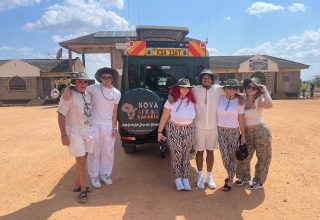
Yes. Our safaris are ideal for first-time visitors, families, couples, and seniors. Nova Afrika Kenya Safaris tailors itineraries to suit all ages, travel styles, and comfort levels.
Most of our safaris are private, especially for couples, families, and small groups. Shared safaris are available upon request for travellers seeking a more budget-friendly option.
Our all-inclusive safaris usually include:
International flights, visas, and travel insurance are typically excluded.
Absolutely. Many travellers combine a safari with a relaxing beach stay in Diani Beach, Zanzibar, Watamu, or Lamu for the perfect bush-and-beach holiday.
You cannot copy content of this page
We use cookies to improve your experience on our site. By using our site, you consent to cookies.
Manage your cookie preferences below:
Essential cookies enable basic functions and are necessary for the proper function of the website.
Google reCAPTCHA helps protect websites from spam and abuse by verifying user interactions through challenges.
Statistics cookies collect information anonymously. This information helps us understand how visitors use our website.
Google Analytics is a powerful tool that tracks and analyzes website traffic for informed marketing decisions.
Service URL: policies.google.com (opens in a new window)
SourceBuster is used by WooCommerce for order attribution based on user source.